A useful proposal defines input readiness, deliverables, review responsibilities and revision boundaries together. Floor area or sheet count alone cannot compare assignments with different levels of complexity.
Break work into defined packages
Describe scope by area, element group and output type. Check whether repeated elements are truly identical. Similar foundations can require different production because reinforcement or levels differ.
Assess input readiness
Missing sections, conflicting references and unresolved details can interrupt production. Expose these as proposal assumptions. Time awaiting a design decision should not be confused with active drafting time.
Related workflow: Outsourced structural BIM: defining an RVT, IFC and PDF handover ↗
Define review rounds
Internal checks, client review and designer decisions are different steps. Assign each an owner and an expected feedback format. Use comments connected to elements and revisions rather than scattered messages.
Distinguish revision types
Correcting a production error differs from expanding accepted scope after a design change. Identify the affected model, drawings and schedules. Base the commercial discussion on that documented impact.
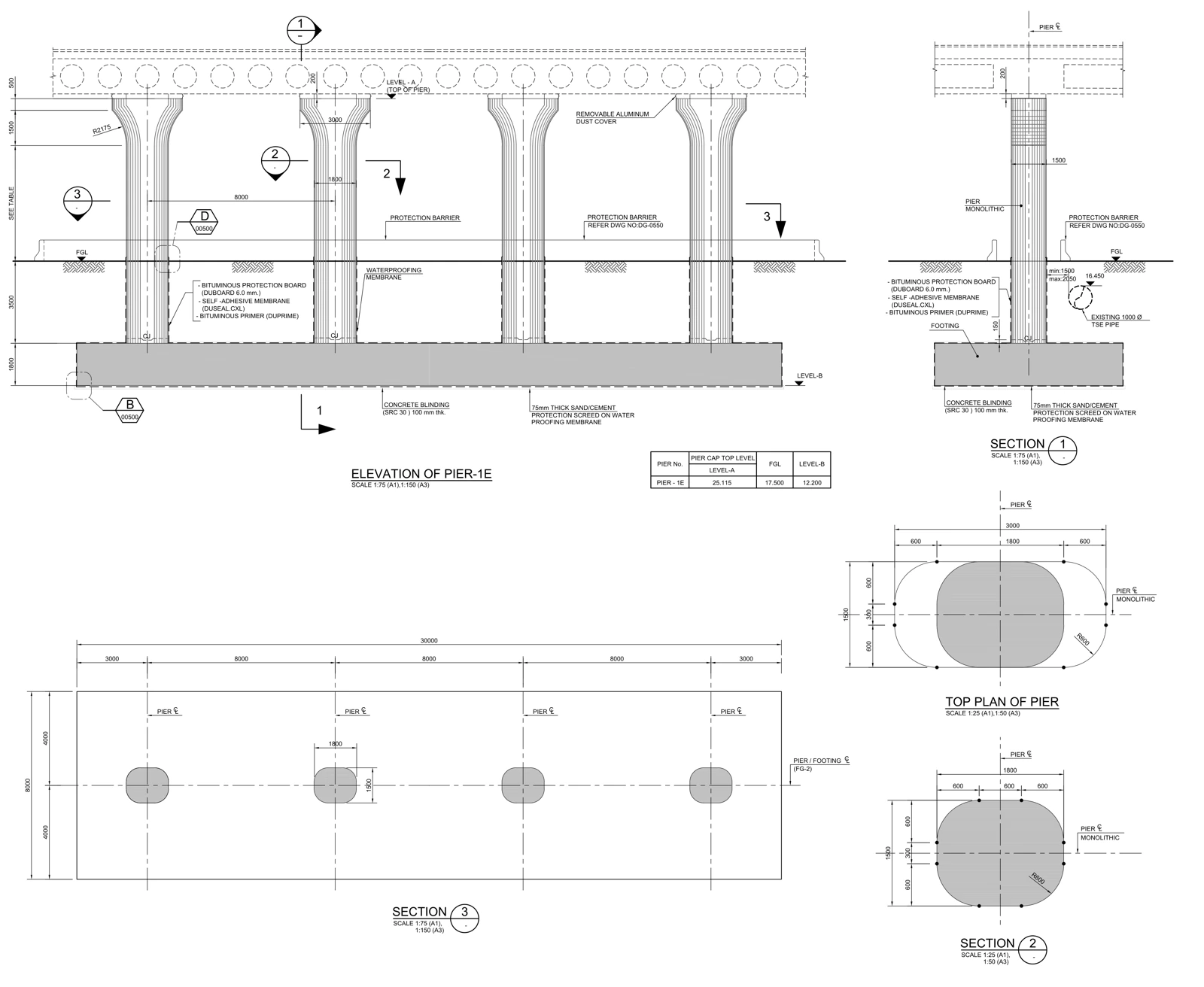
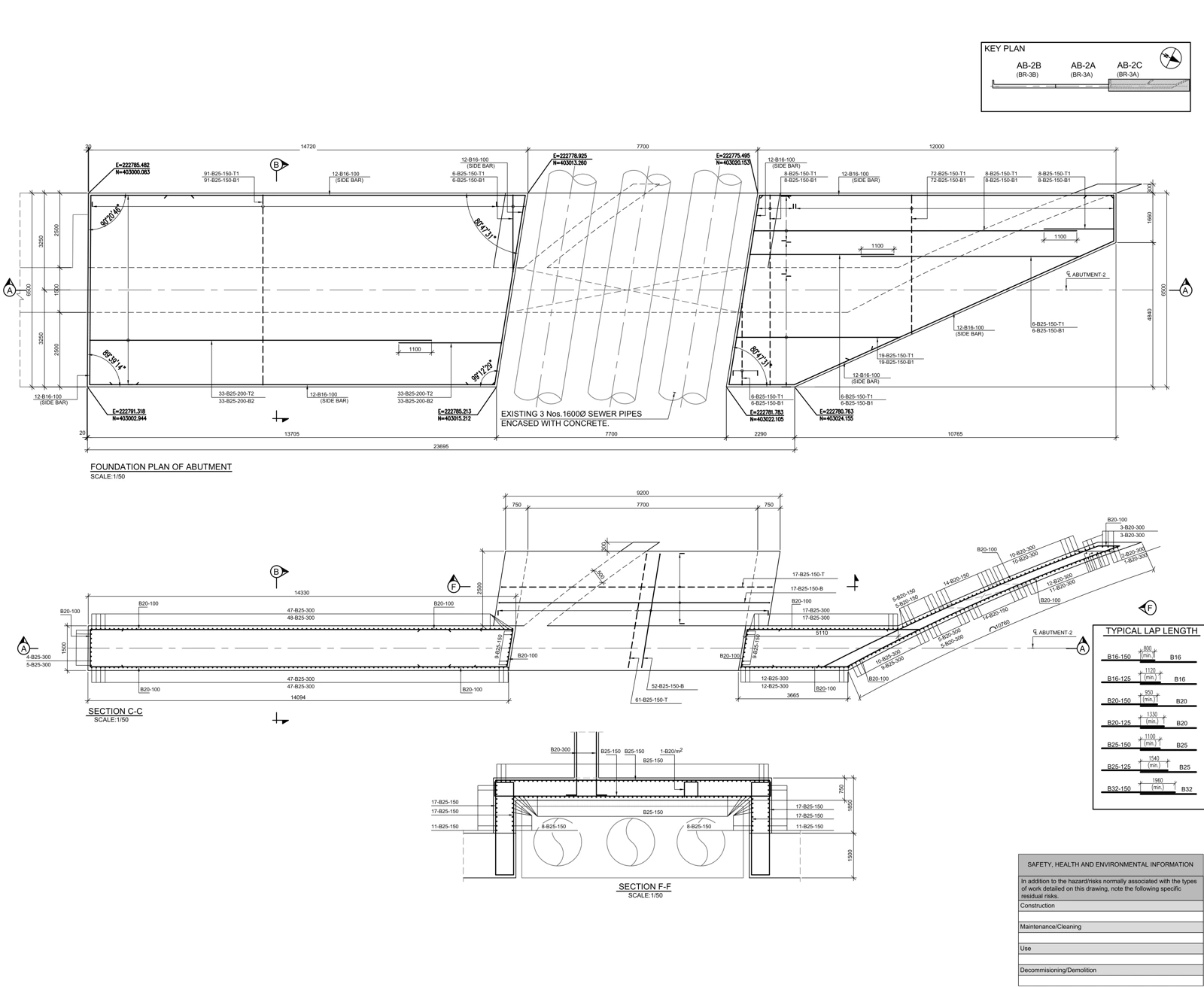
Explore the source document: Real drawing study: bridge pier reinforcement details ↗
Define acceptance and closeout
Use a checklist for file usability, references and consistency of the issue set. Hand over unresolved items with their status instead of concealing them. An issue register lets both teams discuss the same deliverable set.
References and scope
Primary references for software behavior and information-exchange concepts are listed below. Review matrices are workflow examples prepared for AKSVERO. This article is not a project-specific design calculation or construction approval.
Founding technical specialist · Technical drafter · 40 years of industry experience.
Explore the expertise profile ↗