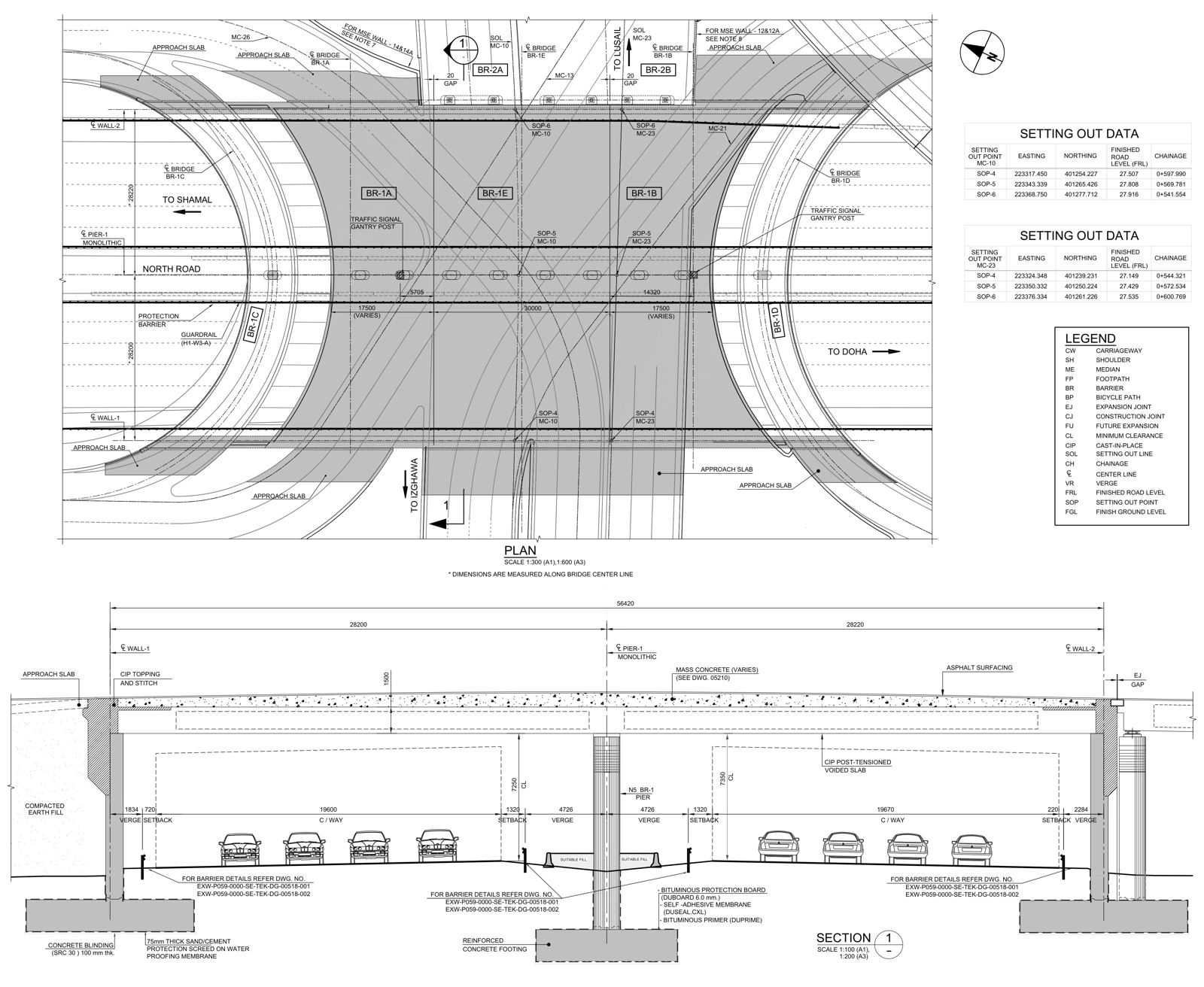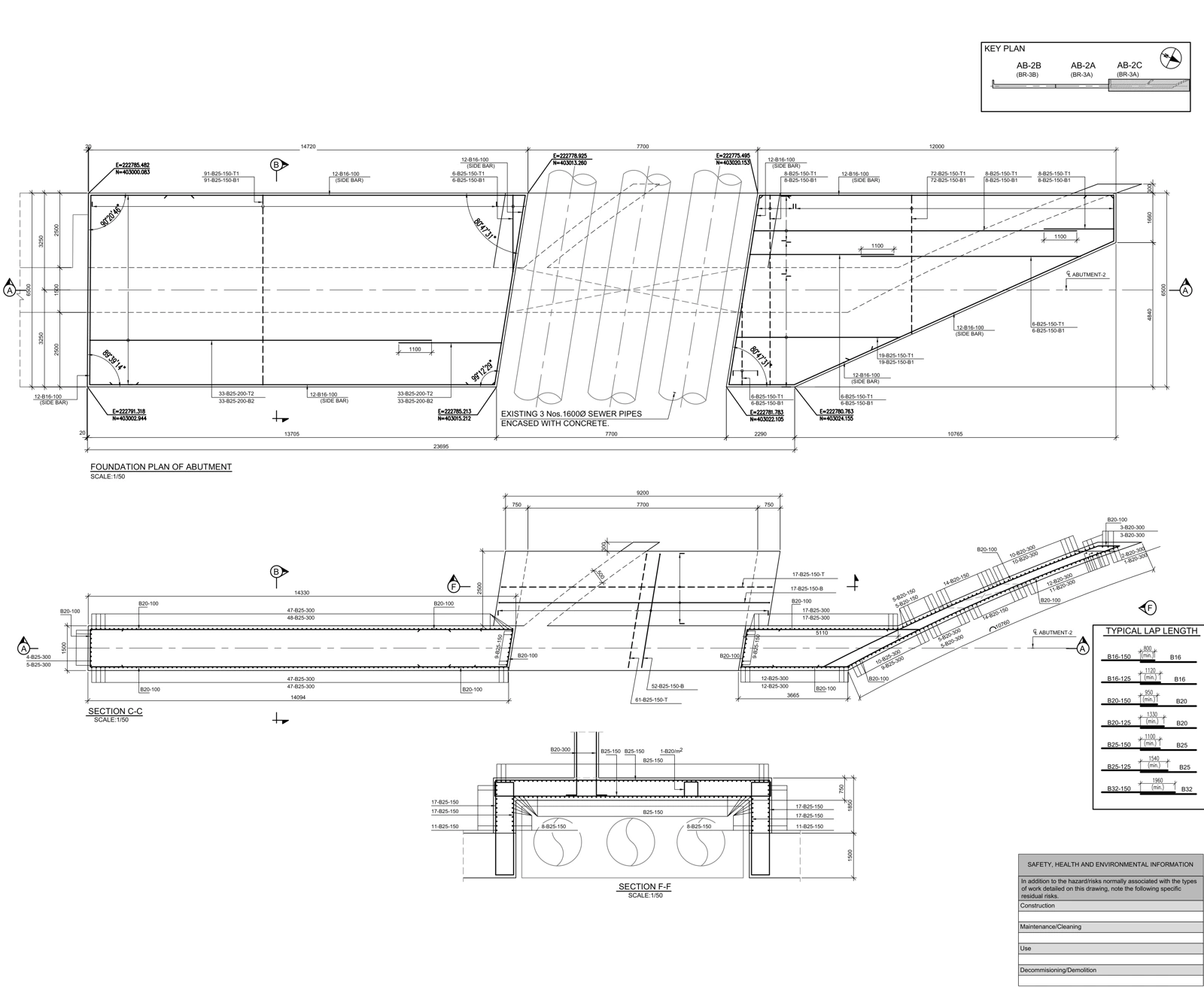
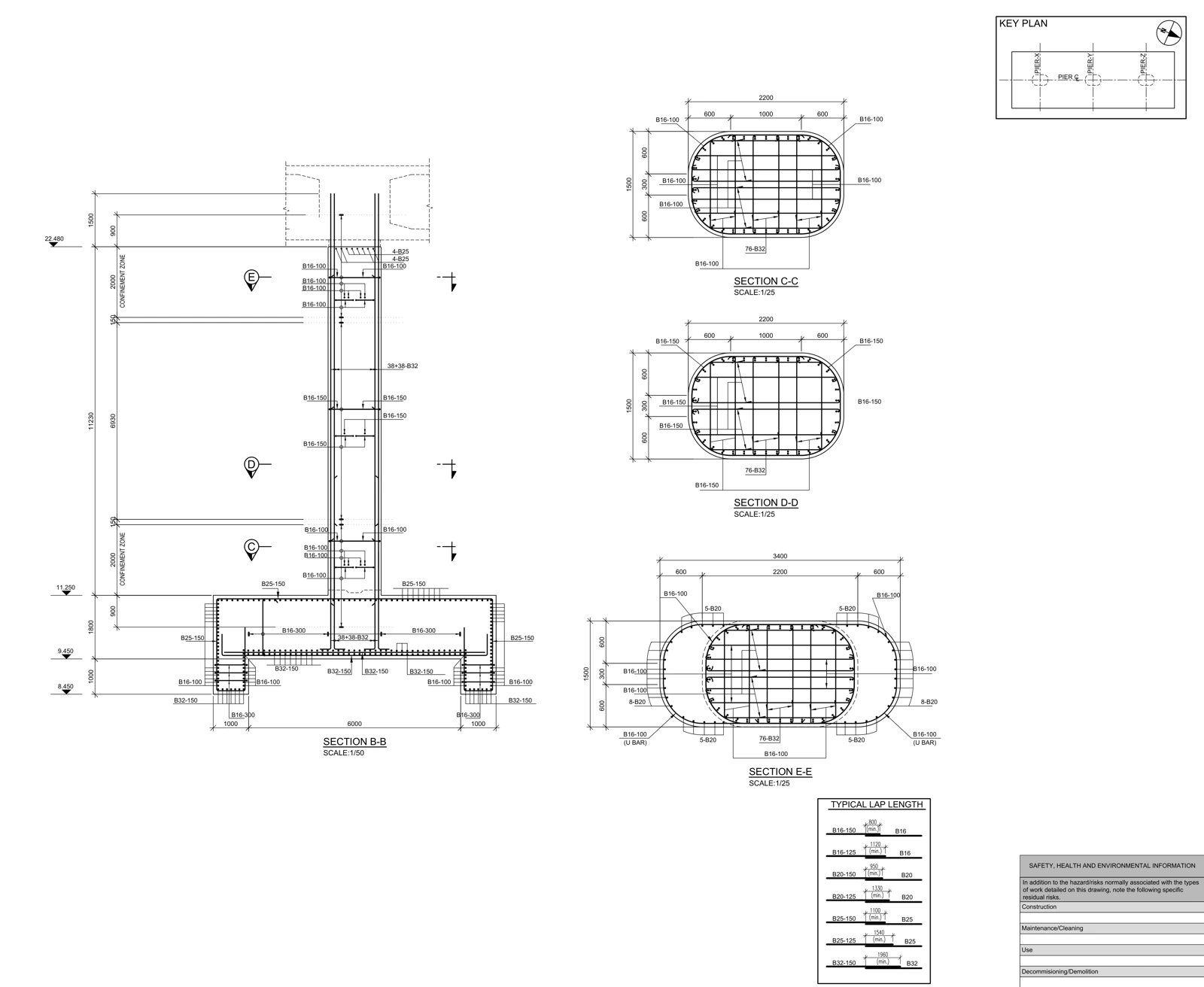
A structural revision review should track dependencies as well as visual differences. Map each changed element to its model views, drawings, reinforcement schedules and issue records, then verify each affected output before closing the change.
Establish two comparable baselines
Record revision, intended use and scope for each package, not just filenames. Differences between an approval-stage package and a construction issue are not automatically new design changes. Establish which request modifies which reference baseline before interpreting the result.
Matching elements solely by screen position is fragile. Combine available identifiers with element references, geometry and scope checks. A deleted and recreated object may represent the same element under a new identifier. Ambiguous matches should be reviewed rather than silently accepted by the comparison tool.
Build a revision impact matrix
| Illustrative trigger | Affected outputs | Closeout evidence |
|---|---|---|
| Bearing position changes | Plinth plan, maintenance section, anchorage interface | Approved response and updated plan/section |
| Access opening moves | Concrete geometry, local rebar, drainage/waterproofing | Coordinated opening and surrounding details |
| Confinement boundary changes | Elevation, link quantities, bar schedule | Boundary and schedule reconciliation |
| Element repetition changes | Plan notes, quantities, issue packages | Consistent scope across all outputs |
These are hypothetical change scenarios, not defects identified by comparing two approved revisions of the real drawings on this site. The matrix demonstrates which dependencies a team should inspect when a change request arrives.
Related workflow: Architectural–structural BIM coordination: from clash results to decisions ↗
Ask whether the previous information is already in use
Was the earlier schedule a draft, released for purchasing, or already used for cutting? The operational consequence of the same geometric change differs in each case. Updating a file does not automatically withdraw its predecessor. Record who received the superseded issue and how its status was communicated.
Separate new marks, removed marks, changed shapes and renumbered-but-unchanged bars where possible. This makes the difference report usable without pretending to make fabrication or procurement decisions on the recipient’s behalf.
Keep decision, implementation and verification distinct
- Request: source, scope and decision owner.
- Impact: linked models, sheets, schedules and production packages.
- Implementation: changed information and resulting file versions.
- Review: evidence that each affected output was checked.
- Issue: current package, superseded baseline and unresolved items.
Model-related issue formats such as BCF can support communication across tools. Whatever format is chosen, the team needs consistent meanings for “answered,” “implemented” and “verified.” buildingSMART — BIM Collaboration Format ↗
Explore the source document: Real drawing study: bridge abutment formwork ↗
Use automation to prepare evidence
Comparing file inventories, listing changed parameters, finding missing revision fields and flagging linked outputs are suitable automation tasks. A machine-generated difference is not an instruction to modify construction information. Incorrect matches, missing inputs and different model scopes can all create misleading changes.
A reproducible report records source versions, review scope and comparison time. It links important findings to marked drawings so the reviewer can return to the evidence. For a large distributed team, this traceability is as valuable as the speed of the initial comparison.
Frequently asked questions
Does a revision cloud show the full impact?
No. It marks a changed drawing area; related sections, quantities, schedules and production packages need separate tracking.
Can AI approve revisions automatically?
AI can assist comparison and preliminary classification. Design and construction issue decisions require authorized technical review against the source information.
References and scope
Primary references for software behavior and information-exchange concepts are listed below. Review matrices are workflow examples prepared for AKSVERO. This article is not a project-specific design calculation or construction approval.
Founding technical specialist · Technical drafter · 40 years of industry experience.
Explore the expertise profile ↗